
Main sectors and activities in Brazil today: international and national
In this text, you will read about the main sectors and economic activities of Brazil, both domestically and internationally. In general, we have some understanding of trade between countries and around the world, but it’s also common to have questions about how economic activities occur and are sustained. Furthermore, we will better understand Brazil’s role in international trade and what its main exports are.
In addition, Brazil is a rich country, possessing important resources and the means to assume a strategic role in world trade. Check it out!
If you would like legal assistance from our team, send us a message on WhatsApp.
- What are Brazil’s international sectors?;
- And the national ones?;
- Are there activities that foreigners can perform in Brazil?
- What activities can foreigners invest in?
Main Sectors and Activities in Brazil Today: International
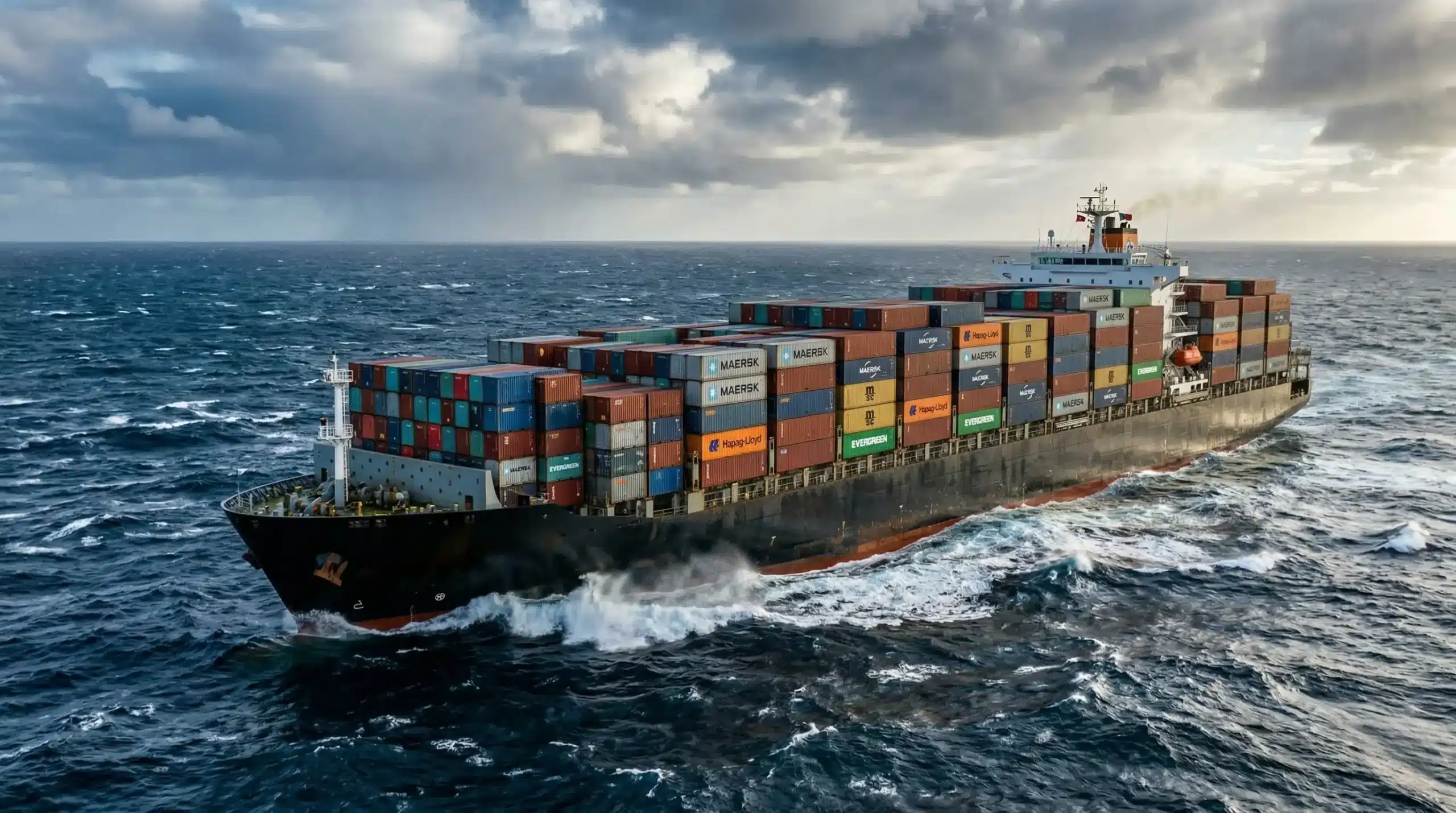
Brazil maintains international relations with different countries around the world and its main activities are cabotage and long-distance international freight. In this way, the country is able to send and receive different goods, either by sea or air.
In short, the main difference between the means of exchanging goods that Brazil does around the world is:
- Cabotage: navigation between ports of the same country, that is, maritime transport of cargo that supplies industries or brings raw materials for production. However, cabotage is not limited to the sea and can occur on lakes, rivers, for example. Cabotage can occur on international routes, across borders;
- Long-distance international freight: exchange of goods governed by an international contract, accepted between the two countries involved. The rules are established by the contract, which explicitly states the duties of the buyer and seller, as well as the import and export process, freight, among others.
Thus, Brazil is an exporting country, meaning it sends products to the world. Its main exports are:
- Steel ores;
- Iron;
- Beef;
- Chicken;
- Sugarcane;
- Ethanol;
- Oranges;
- Coffee;
- Sugar;
- Soybeans.
Therefore, the Brazilian economy encompasses three main sectors: primary, secondary, and tertiary.
Main Sectors and Activities in Brazil Today: National
Brazil’s regions are rich in resources, contributing in different ways to the national economy. In other words, the country is a source of diverse natural and food resources that contribute to a rich economy.
Here are some examples. In the North region:
For example, there is:
- Extractive activities, mainly of latex, wood, açaí, and Brazil nuts;
- In addition to mining, such as gold, iron, and copper.
The Northeast contributes to the Brazilian economy with:
- Industrial fields;
- Tourism;
- Oil extraction;
- Agribusiness.
The Central-West has:
- Agriculture and livestock;
- In addition to plantations of soybeans, corn, among others.
The Southeast maintains:
- Industrial centers, mainly focused on steelmaking;
- Automotive factories.
The South contributes with:
- Industries;
- Textile centers;
- Agriculture and livestock.
What activities can foreigners undertake?
There are several activities that foreigners can undertake in Brazil. To illustrate, the main ones vary and include:
- Academic research;
- Working vacation;
- Religious activities;
- Volunteer work;
- Artistic or sporting activities;
- Work;
- Investment;
- Among others.
In which activities can foreigners invest?
Foreigners have a variety of options when it comes to investing in Brazil. However, the main activities in which foreigners can invest in Brazil, as individuals or legal entities, are:
- Traditional Brazilian companies;
- Brazilian startups and innovation or research companies;
- Bringing companies to Brazil, such as branches, among others;
- Real estate.
If you would like legal assistance from our team, send us a message on WhatsApp.